Choy Li Fut Spreads Abroad (Choy Li Fut History IX)
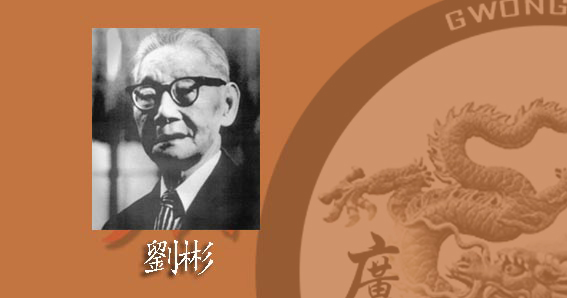
At the end of the decade of 1920, Choy Li Fut 蔡李佛 arrived at the American continent by the hand of Master Lau Bun 劉彬, who opened the first school in San Francisco.
Read more...
At the end of the decade of 1920, Choy Li Fut 蔡李佛 arrived at the American continent by the hand of Master Lau Bun 劉彬, who opened the first school in San Francisco.
Read more...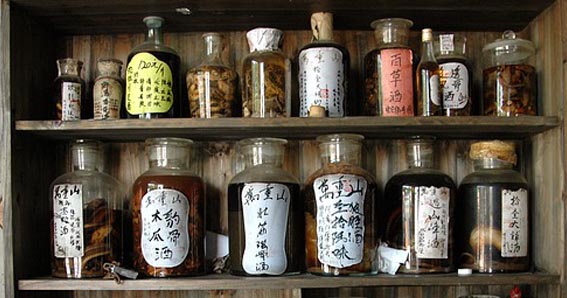
Dit Da Jow 跌打 酒 (Mandarin Diē Dǎ Jiǔ) is the Cantonese name for a type of liniment commonly used in Chinese Martial Arts to treat bruises and sore muscles. Dit Da Jow could be translated as “fall and hit wine”, since the traditional one is prepared with rice wine.
Read more...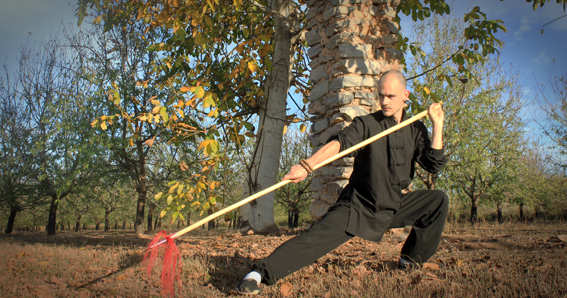
The spear (枪, qiāng/choeng) is considered in China as the queen of long weapons. Possibly it is the oldest military weapon in China, and was originally used as a cavalry weapon. Formerly the infantry used a spear that could reach more than five meters in length, thus being able to face adversaries at a long distance.
Read more...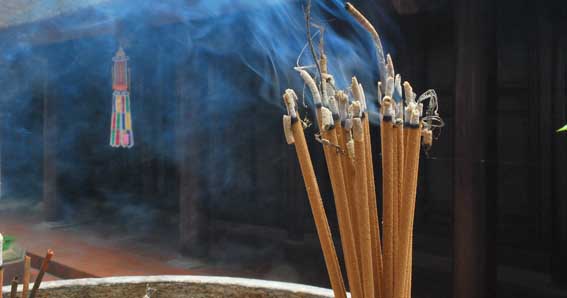
According to the Chinese conception of human being, it is composed of ‘two souls’: Pò 魄, ‘corporeal’ or ‘terrestrial soul’, and Hún 魂, ‘ethereal soul’. This way of understanding the human being is closely related to the practice of veneration of ancestors.
Read more...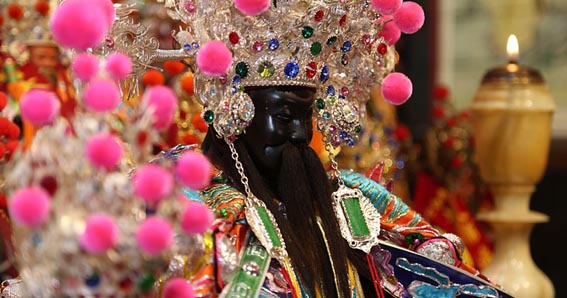
In Chinese Martial Arts, the figure of the teacher is of vital importance, since anyone who wants to learn a martial art needs a teacher to transmit the teaching. In the West, many times the role of the teacher is misinterpreted; to understand it better, we must first examine the figure of the teacher in the religious tradition of China.
Read more...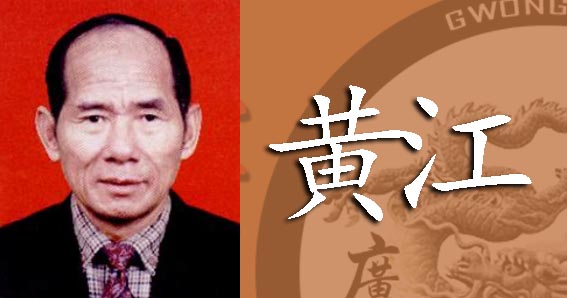
Grand Master Wong Gong 黄江, current Guardian of the Hung Sing 雄勝 School of Jiāngmén, lives in Hong Kong, where he has continued teaching Choy Li Fut until today.
Read more...
Unlike most philosophical-religious traditions of the West, which emphasize eternal life and the immutable, in China and the rest of Asia, existence was understood as a constant change, expressed by the idea of impermanence. In Chinese martial arts this idea is applied by non-opposition of resistance.
Read more...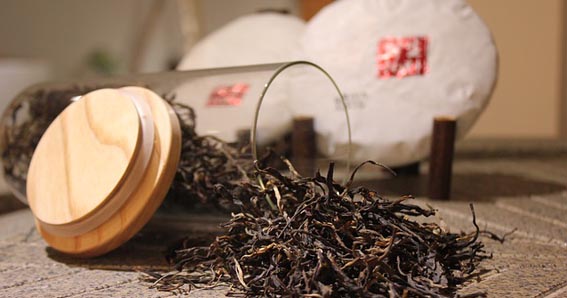
Pǔ’ěr 普洱 is the name of a prefecture city in the Chinese province of Yúnnán 雲南. Therefore, formerly Pǔ’ěr was the name for which the tea from this region was known. What we call red tea is actually a type of Pǔ’ěr. But there is also another type, which is the most appreciated in China.
Read more...
“Clouds and Rain on Mount Wūshān” (巫山雲雨 Wū Shān yún yǔ) is an expression provenient from an erotic scene contained in a poem from the 3rd century B.C. The Chinese have incorporated this expression into spoken language to poetically signify the physical act of love between man and woman. Let’s take a look at the story behind it, whose authorship is attributed to Sòng Yù 宋玉.
Read more...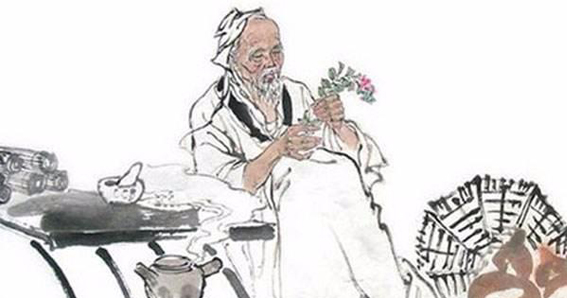
Huá Tuó 華佗 (145-208) was a famous Chinese physician who lived during the time of the Eastern Hàn dynasty 東漢 and the Three Kingdoms (三國 Sān Guó) Period. Specialist in medicinal plants, acupuncture, pediatrics and gynecology, he is one of those historical characters turned legend.
Read more...